
Why the World Is Slowing Down: The Rise of Rest as a Modern Wellbeing Movement
For most of the last century, speed was the prize. Faster trains, faster food, faster everything. To be busy was to be important, and to rest was to fall behind. Then, somewhere along the way, the mood began to shift. People started bragging less about how little they slept and more about the quiet weekend they'd protected from the world.
Something is changing in how we think about rest. It's no longer the thing we do when the real work is finished. For a growing number of people, it's becoming the point. And once you start noticing it, you see the same instinct surfacing everywhere, in the language people use, the way they spend their evenings, the small things they keep within reach to mark the end of a long day.
The Backlash Against Busy
For a long time, exhaustion carried a strange kind of status. A packed calendar signalled that you mattered. Answering emails at midnight meant you were committed. We wore our tiredness like a badge, and the people around us mostly nodded along, because they were wearing it too.
But the badge started to feel heavy. People noticed that perpetual busyness wasn't delivering the satisfaction it promised. The to-do list never ended. The finish line kept moving. And slowly, a quieter idea took hold: maybe doing less, on purpose, was its own kind of achievement.
This isn't laziness dressed up in nicer language. It's a reconsideration of what a good life actually feels like, and a suspicion that we'd been measuring it with the wrong ruler. There's a real cost to the always-on posture, and it isn't only a matter of mood. Researchers who study overwork have linked very long hours to measurable harm, with a joint analysis from the World Health Organization and the International Labour Organization estimating that long working hours contributed to roughly 745,000 deaths in a single year from stroke and heart disease. Most people don't read the studies, but they feel the truth underneath them. The body keeps a tally even when the calendar pretends everything is fine.
Movements With Many Names
You can see the shift in the words that have entered everyday conversation. The slow living movement, born partly from slow food, asks us to savour things rather than rush them. The Danish idea of hygge gave a name to cosy, unhurried contentment. Friluftsliv from Norway celebrates simply being outdoors without a goal, no summit to bag, no distance to beat, just time spent in the open air.
Each of these speaks to the same hunger. People are looking for permission to step off the treadmill, even briefly, and a vocabulary that makes that choice feel intentional rather than indulgent. When a culture invents words for an idea, it's usually because the idea has become something people need. We don't name what we already have in abundance. We name what we're missing and starting to want back.
It's worth noticing how old some of these ideas actually are. The instinct to set aside protected time is ancient, woven through the rhythm of seasons, harvests, and weekly days of rest long before anyone called it wellbeing. What feels new isn't the longing itself. It's that we've had to rediscover it, almost from scratch, after a few decades of treating rest as a luxury we couldn't afford. There's a longer story here about how different cultures teach us to slow down, and most of those lessons turn out to be reminders rather than inventions.
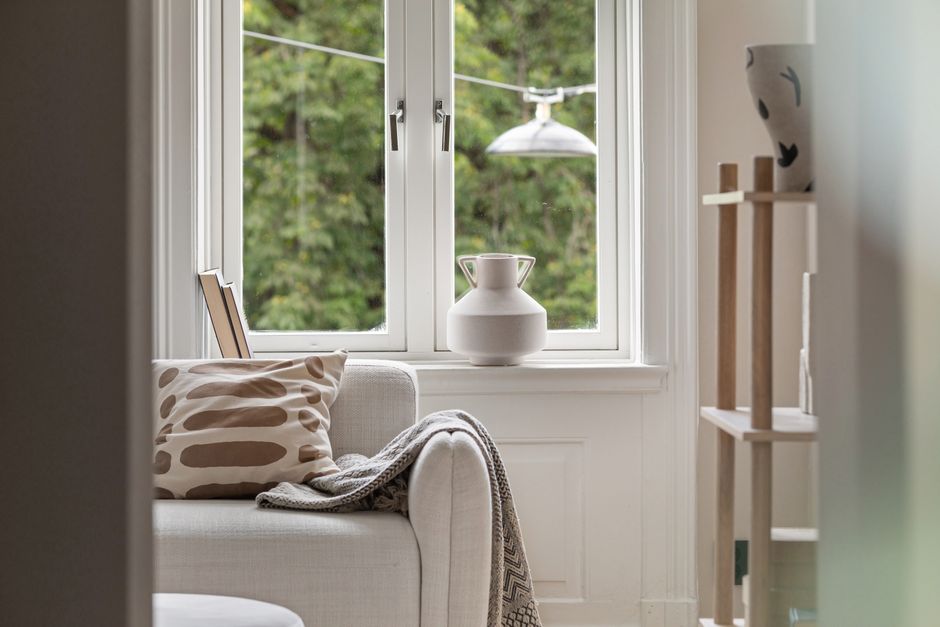 Rest is increasingly something people design space for, not something they wait to stumble into.
What's Actually Driving It
A few forces seem to be pushing in the same direction, and it helps to take them one at a time rather than blur them into a vague sense of modern fatigue.
The first is the blurring of work and home. As more of life moved onto screens, it became harder to ever feel properly off the clock. When the office fits in your pocket, switching off stops being the default and becomes a skill you have to practise. The commute used to act as a buffer, a stretch of nothing between two worlds. A lot of people lost that buffer and have spent the years since trying to rebuild one by hand, with a walk, a ritual, a deliberate pause that says the working part of the day is over now.
The second is a generational shift. Younger people, watching the toll that relentless hustle took on those before them, are openly questioning whether it's worth it. The dream isn't always the corner office anymore. Sometimes it's the calm Sunday, the long walk, the evening with nothing scheduled. Surveys of workplace attitudes keep turning up the same theme: a growing share of people rank flexibility and time over title and prestige. That isn't a lack of ambition. It's ambition pointed somewhere different.
The third is simpler, and harder to argue with. A lot of people are quietly worn out. After years of noise, urgency, and constant input, slowing down isn't a trend they read about in an article. It's a response to how they actually feel when they finally sit still. The appetite for calm tends to arrive not as an idea but as a kind of relief, the body recognising something it had been missing.
A note on the numbers. It's easy to wave around statistics about burnout and screen time, and easy to overstate them. The more honest point is quieter: across very different measures, from sleep to working hours to self-reported stress, the same direction of travel keeps showing up. People are reaching for the brakes.
Rest as Something You Design
What's notable about this movement is how deliberate it has become. Rest used to be what happened in the cracks, the leftover minutes at the end of a day that had already taken everything else. Now people plan for it. They build calm corners in their homes, protect their evenings, leave gaps in their weekends on purpose, the way you might block out time for anything else that matters.
This is rest treated as a craft rather than an accident. The instinct is to make calm reliable, something you can return to, not something you hope to luck into. A few patterns show up again and again in how people go about it:
- A consistent cue that marks the shift from doing to being, whether that's a warm drink, a change of lighting, or a particular object kept within reach.
- A protected window, even a small one, that nothing is allowed to colonise, no phone, no list, no quick check of the inbox.
- A physical anchor for the calm, since a space arranged for rest tends to get used far more than a vague intention to relax.
- A rhythm rather than a one-off, because the nervous system settles into patterns and learns, over time, that a particular signal means it's safe to ease down.
That last point is more than folk wisdom. Part of why ritual works is that the body reads repetition as a kind of reassurance, and there's a real science to why routine helps us feel safe. The same cue, returned to often enough, becomes shorthand for permission to stop. Some people lean on a familiar mug, a candle that only comes out in the evening, a soft blanket, a Relief Disc resting on a shelf. The specific object matters less than the consistency. It's the regular return that does the work.
If you're starting from scratch, it helps to keep the first version almost embarrassingly small. A single protected evening. One five-minute reset you can do anywhere. The point isn't to build an elaborate wellness regime. It's to prove to yourself that the pause is available, and then to make it ordinary.
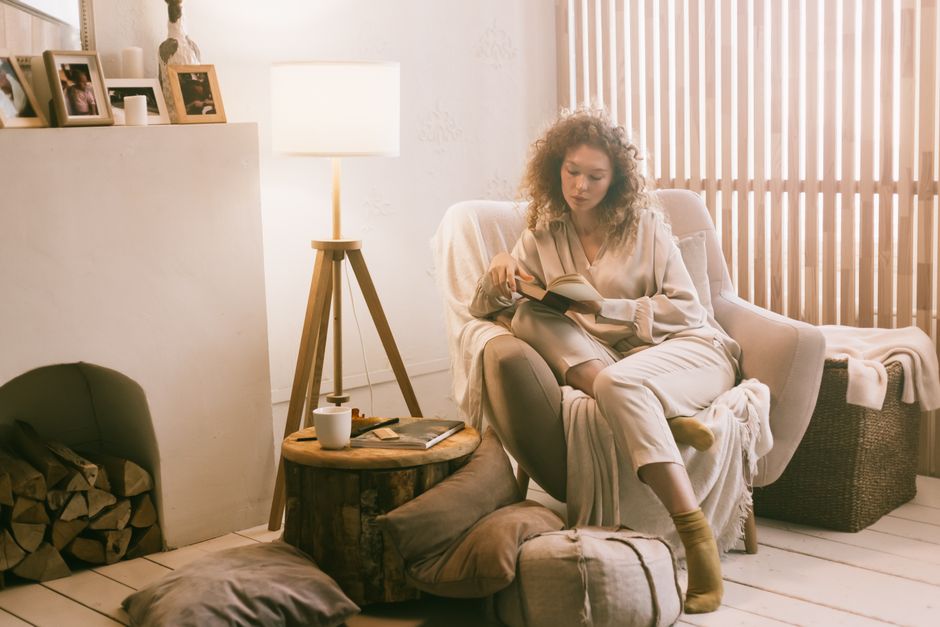 The deliberate evening, protected from the day's last demands, has become a small act of self-trust.
Why This One Feels Different
Plenty of wellness fashions come and go, and a healthy scepticism is warranted. So it's fair to ask what makes the slowing-down movement feel more durable than the usual cycle of trends.
Part of the answer is that it isn't selling much. Most fads need you to buy something, learn something, or perform something. The core of this shift asks for the opposite, that you do less and acquire less and simply give yourself room. An empty afternoon costs nothing. The barrier was never price. It was permission, and permission is precisely what the culture is starting to grant.
The other part is that the longing underneath it is genuinely old. The desire to slow down isn't new at all. What's new is the cultural cover to act on it, and the growing sense that a slower life isn't a lesser one. When a movement is really just people rediscovering something fundamental about how they want to live, it tends to outlast the language we happen to wrap it in this decade.
There's a small irony worth naming, the same one that shadows any good idea once it gets popular. Rest, too, can be turned into a market, sold back to us as one more thing to optimise and perfect. The healthiest way to engage with all of it is to hold on to what it's actually for. A single quiet corner, used regularly, does more than a cupboard full of calming gadgets left in their boxes. The objects can help by acting as cues and anchors. The rest itself is the point, and that part was always free.
Where It's Heading
The world isn't going to stop spinning quickly. The pressures that made us busy aren't disappearing, and the contest for our time will likely sharpen rather than ease. But more people are deciding that they get to choose their own pace within all of it, and that choosing rest is not the same as giving up.
You can already see the early shape of what comes next. Workplaces experimenting with shorter weeks. Homes arranged around unwinding rather than display. A slow, stubborn willingness to leave a Sunday open and let it stay that way. None of this amounts to a revolution. It's quieter than that, more like a tide turning by degrees, the culture leaning back toward stillness after a long stretch tilted hard the other way.
Maybe that's the real heart of the movement. Not the rejection of ambition, but the quiet, growing conviction that a life worth living needs room to breathe. The truest version of slowing down was never about doing nothing forever. It was about reclaiming enough space to feel like yourself again, and then guarding it, gently, against everything that would happily fill it back up.